A booking platform that runs itself
A viewing-booking platform for a used-car dealership, with a content model the people who sell the cars edit themselves. It runs without anyone administering it.
The constraint that shaped everything: nobody would maintain it.
A small dealership does not have a technical team. It has people who sell cars, and any system that assumes otherwise stops being used within a month.
So the brief was to build something that runs without attention. Editing had to be obvious enough to do once a fortnight without a manual, the booking flow had to work with nobody administering it, and when something broke we had to know first.
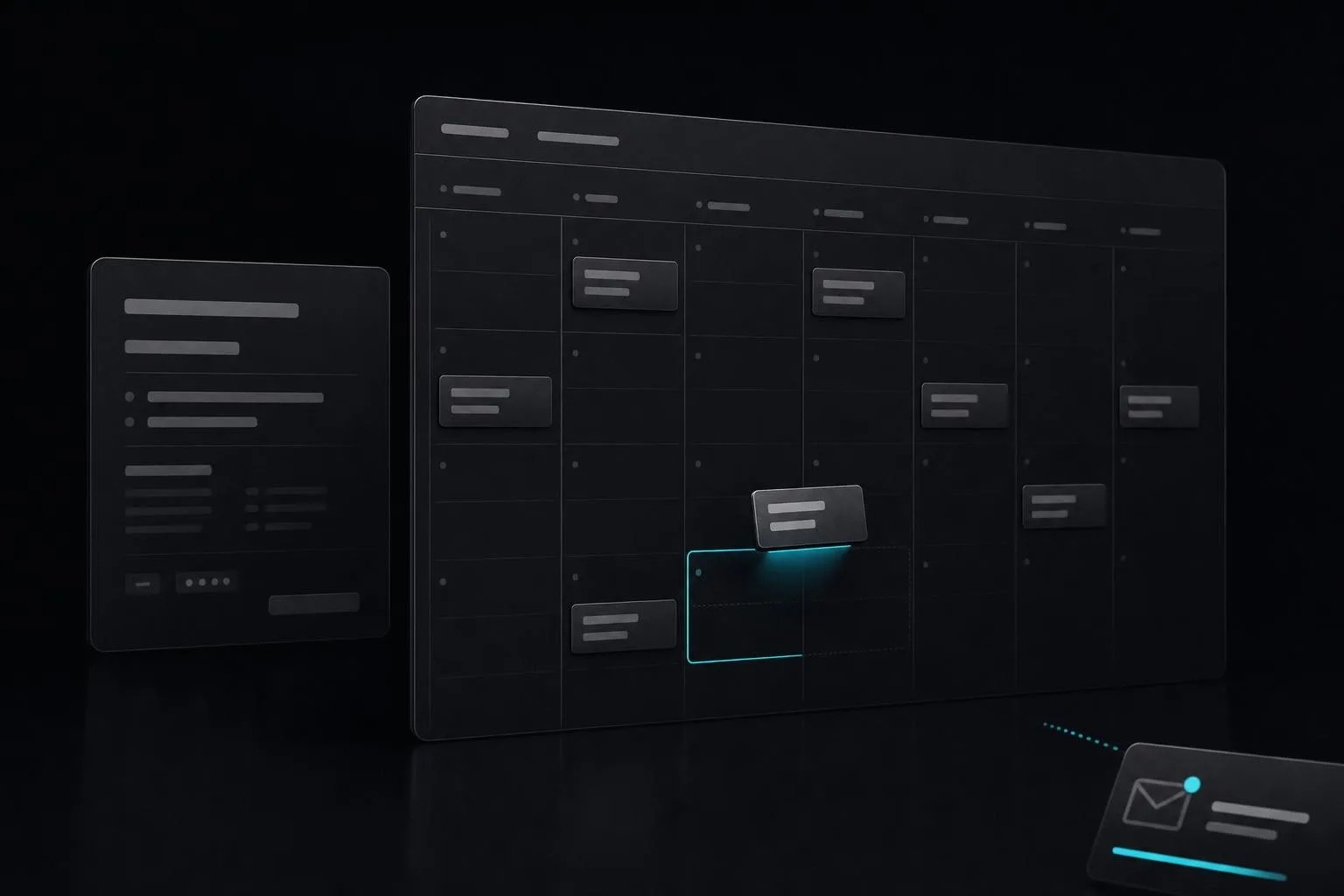
Built to be left alone.
Next.js and TypeScript, with a structured content model so the dealership’s own staff change stock and opening hours without a developer. Bookings trigger email confirmations to the customer and the dealership. Error monitoring and separate staging and production environments from launch.
Nothing that needs a developer on a Tuesday afternoon. That was the point.
Most small-business software fails at maintenance, not at build.
What this means for youIf the people who have to live with a system were not considered while it was designed, it will be abandoned and replaced by a spreadsheet.
Designing for the least engaged user — the person who will touch this twice a month, in a hurry — is the difference between software that gets used and software that gets paid for and forgotten.
The results
OutcomesEditable
A structured content model, so staff change stock and opening hours themselves without being able to break anything.
Unattended
A booking flow with sensible defaults, confirmations to both sides, and no admin queue to babysit.
Observed
Error monitoring from day one. If something breaks, we know before the customer does.